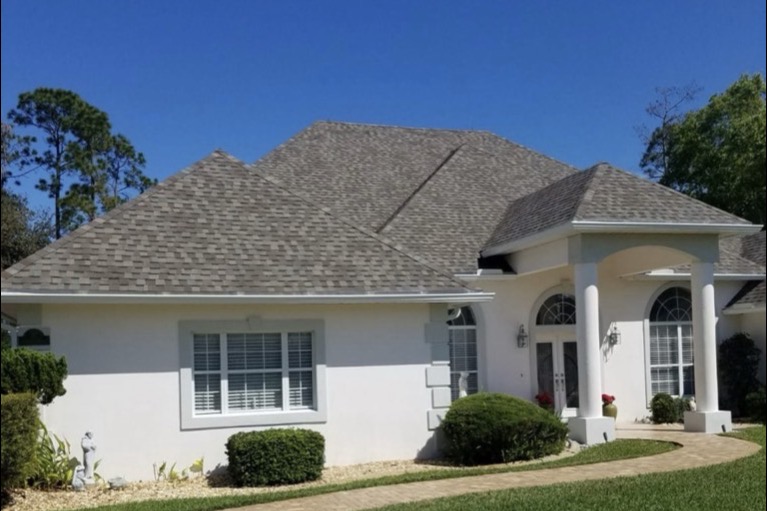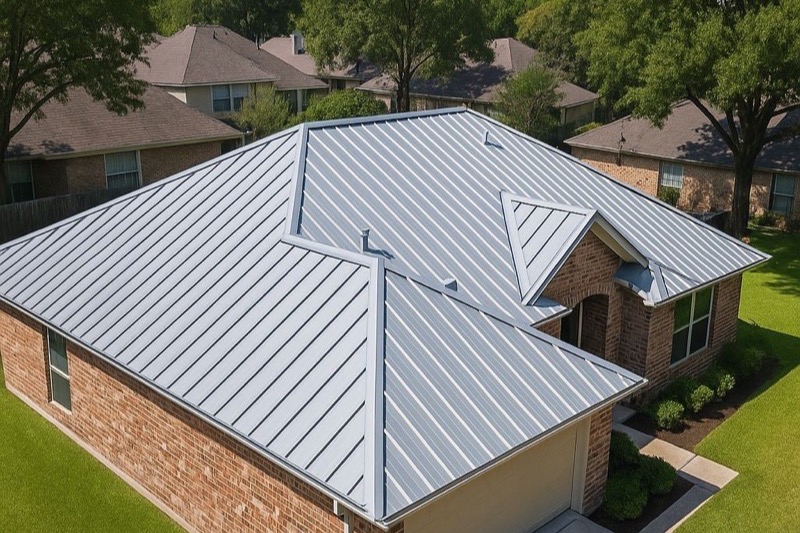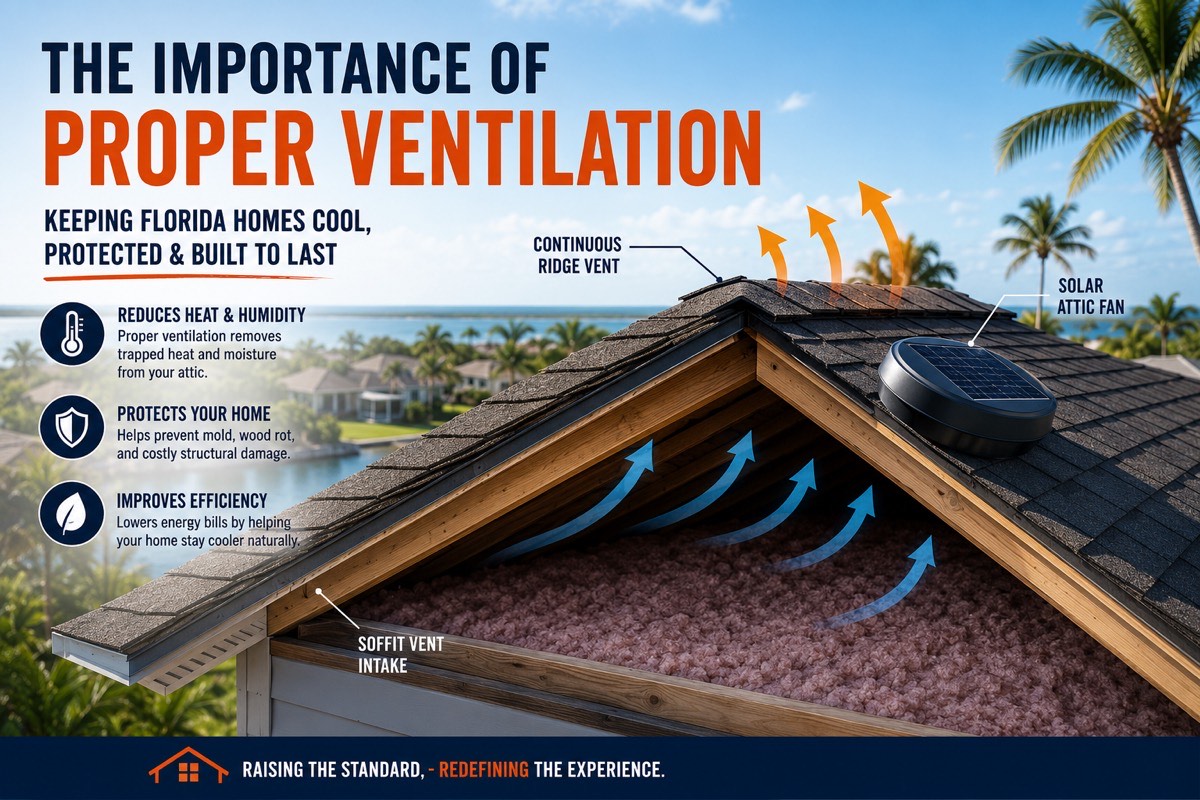
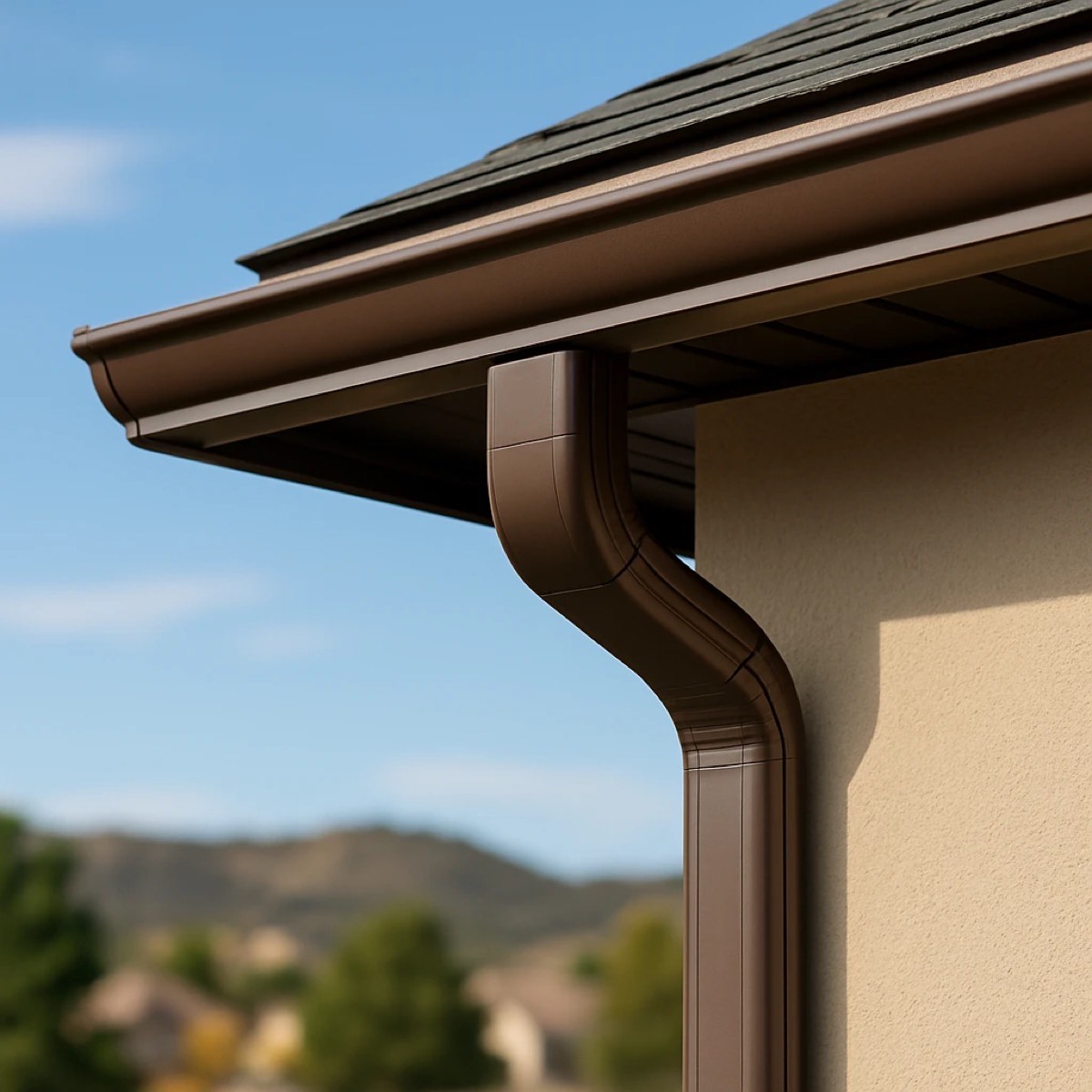
It's easy to think of gutters as an afterthought — something that comes with a house rather than something you'd actively choose. But in Tampa Bay, where heavy downpours can dump inches of rain in under an hour, gutters aren't a nice-to-have. They're doing real, constant work to protect your home from water damage that would otherwise be silent and slow-building until it isn't.
Here's what gutters actually do for a Florida home, and how to know if gutter guards make sense for yours.
1. They Protect Your Roof's Edge and Fascia
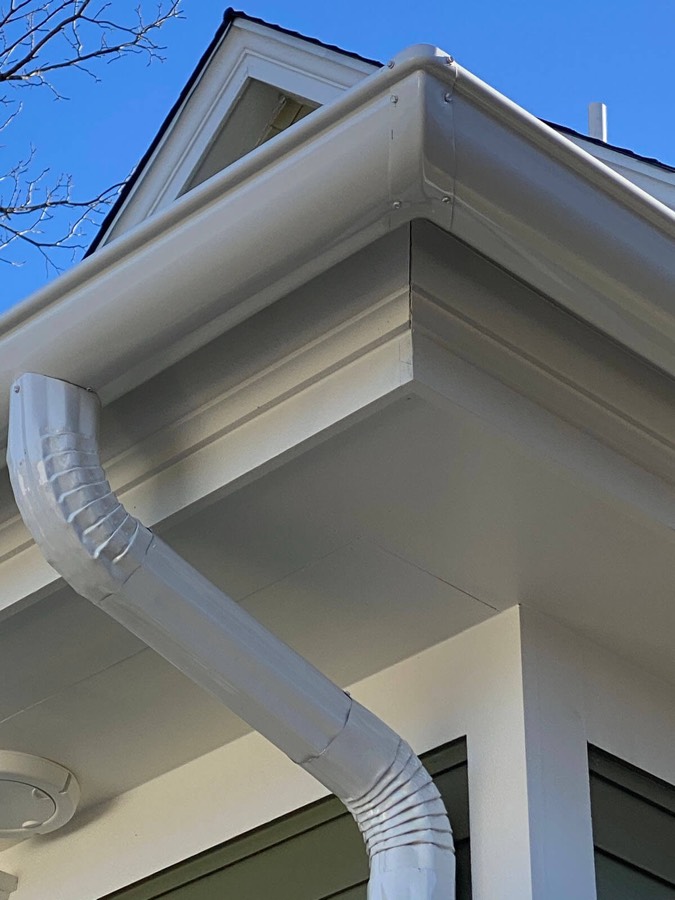
Without gutters, rainwater runs directly off the roofline and down the fascia board (the trim behind your gutters) with every storm. Over time, that constant water exposure causes wood rot, paint failure, and eventually structural damage to the fascia and the roof edge itself. In a climate that sees frequent, heavy rain events, this happens faster than most homeowners expect.
2. They Keep Water Away From Your Foundation
This is the big one. A home without functioning gutters lets rainwater pool right at the foundation line with every storm. In Florida's sandy, often poorly-draining soil, that repeated saturation can lead to foundation settling, cracking, and — especially with older homes — slab issues that are far more expensive to fix than a gutter system ever was.
3. They Prevent Soil and Landscape Erosion
Uncontrolled water runoff doesn't just threaten your foundation — it erodes flower beds, washes away mulch, and can undermine walkways and patios over years of repeated storms. Gutters direct that water to controlled drainage points instead of letting it carve its own path through your yard.
4. They Protect Siding, Windows, and Paint
Water sheeting off a roofline without gutters splashes back up onto siding and around window frames, accelerating wear, staining, and even mold or mildew growth on exterior surfaces — an especially real concern in Florida's humidity. Gutters keep that water moving down and away instead of back onto the house.
5. They Reduce Basement and Crawlspace Moisture Issues
While full basements are rare in Florida, many homes have crawlspaces, and moisture intrusion there can lead to mold, wood rot, and poor indoor air quality throughout the home. Properly functioning gutters (paired with correctly graded downspout extensions) are one of the simplest ways to keep that moisture problem from starting in the first place.
What About Gutter Guards?
Gutter guards are covers or inserts installed over your gutters to keep leaves, pine needles, and debris from collecting inside them — while still letting rainwater flow through. In a region with mature oak canopies and frequent afternoon storms, they solve a genuinely common problem: gutters that clog fast and overflow right when you need them working the most.
The case for gutter guards:
- Far less frequent gutter cleaning — often the biggest reason homeowners choose them
- Reduced risk of overflow during heavy rain, when clogged gutters can send water right back toward your fascia and foundation, the exact problems gutters are supposed to prevent
- Less standing debris sitting in gutters, which helps reduce gutter rust and premature wear over time
- Fewer trips up a ladder, which matters more than it sounds like — gutter cleaning is one of the more common causes of home-maintenance injuries
Worth knowing before you decide:
- Not all gutter guards perform equally — mesh and micro-mesh systems generally handle fine debris (like pine needles) better than simple foam or brush inserts
- Gutter guards reduce maintenance, but don't eliminate it entirely — an occasional check is still worthwhile, especially after major storms
- They're an upfront investment, but for homes with heavy tree coverage, most homeowners find they pay for themselves in avoided cleanings and avoided water damage over time
Why Missing Gutters Make Stucco Cracks Worse
If your home is newer, you've probably already noticed a few thin, hairline cracks appearing in the stucco — often around windows, doors, or corners. This is extremely common and usually nothing to panic about: new homes settle as the foundation and framing adjust over their first one to two years, and stucco (being a rigid material) shows that movement as small surface cracks even when everything underneath is structurally sound.

On their own, hairline cracks are mostly cosmetic. The real risk shows up when there's nowhere for roof runoff to go. Without gutters, every drop of rain hitting your roof sheets straight down the exterior walls — instead of being caught and redirected safely away from the house. That means far more water running directly over any stucco cracks than a home with a properly draining gutter system would ever see. Water finds those cracks, works its way behind the stucco layer, and gets trapped against the wall sheathing underneath — which is how a purely cosmetic crack turns into hidden wood rot or mold that isn't visible until it's a much bigger repair.
Put simply: a hairline crack is a small opening, but a home without gutters is what turns that opening into an entry point. A house with functioning gutters sends that same roof runoff into downspouts and away from the foundation, so the walls (and any minor cracks in them) are barely getting hit by water in the first place. This is exactly why gutters matter even more on a newer home that's still settling — they're doing double duty, protecting the foundation and buying your stucco time to finish curing without repeated water exposure through cracks that haven't been sealed yet.
Practical Takeaways
What's normal vs. what's worth a closer look:
- Normal: thin, hairline cracks (less than about 1/16 inch wide), typically near window/door corners or where different building materials meet — this is standard settling
- Worth monitoring: cracks that are wider, that seem to be growing, or that run diagonally across a large section of wall
- Worth a professional look: cracks you can fit a coin into, cracks paired with visible staining or soft spots, or any crack near roof-to-wall connections where water intrusion could reach your roofing system
The practical takeaway: sealing minor stucco cracks with a flexible caulk designed for stucco is a simple, inexpensive step that prevents water intrusion while your home finishes settling. But it only works as intended if the water hitting your walls is properly controlled in the first place — which is exactly what a functioning gutter system (and gutter guards, if you're prone to clogging) is there to do. The two go hand in hand more than most homeowners realize.
Frequently Asked Questions
How often should gutters be cleaned in Florida?
Most Tampa Bay homes benefit from gutter cleaning at least twice a year — typically before the rainy season ramps up and again after peak leaf/debris season — though homes with heavy tree coverage may need more frequent attention.
Are gutter guards worth the cost?
For homes with significant tree coverage or a history of frequent clogging, gutter guards are generally a worthwhile investment, reducing both maintenance frequency and the risk of overflow-related damage. Homes with minimal nearby trees may see less benefit relative to the upfront cost.
Can I install gutters myself, or do I need a professional?
While some homeowners attempt DIY gutter installation, proper pitch and drainage are critical to how well a gutter system actually performs — a system installed at the wrong slope can look fine but fail to drain correctly, leading to the very problems gutters are meant to prevent.
Do gutters affect my roof's warranty?
Improperly installed gutters can sometimes affect roof edge and fascia warranties if installation causes damage to roofing materials. Having gutters installed by a roofing contractor familiar with your specific roof system helps avoid this issue entirely.
Should I be worried about stucco cracks on my new home?
Thin hairline cracks in the first year or two are typically normal settling and not a structural concern. Wider cracks, cracks that keep growing, or cracks paired with staining or soft spots are worth having inspected, since they can allow water intrusion behind the stucco over time.
Ready to Protect Your Home?
Whether you need a new gutter system, repairs to an existing one, or want to explore whether gutter guards make sense for your property, Redefine Roofing installs and services gutters, soffit, and fascia across Hillsborough, Pinellas, Pasco, Manatee, Sarasota, and Hernando Counties.
Call (813) 590-9050 or request your free, no-pressure estimate online today.