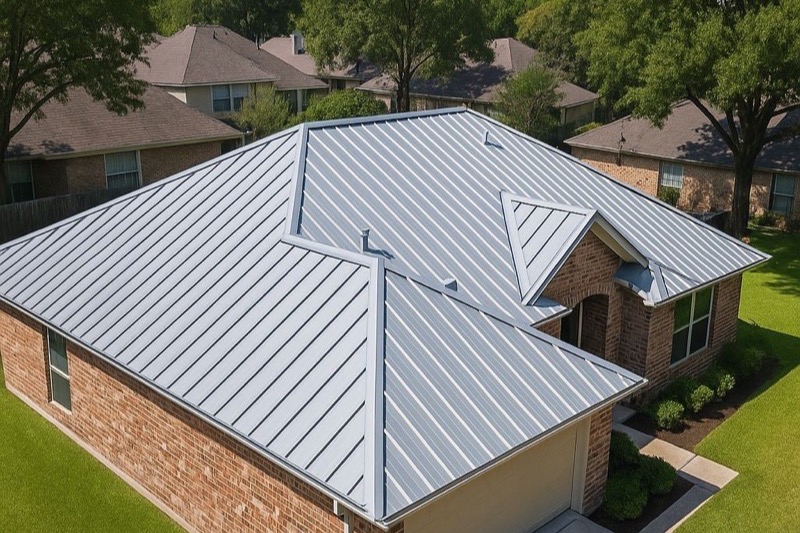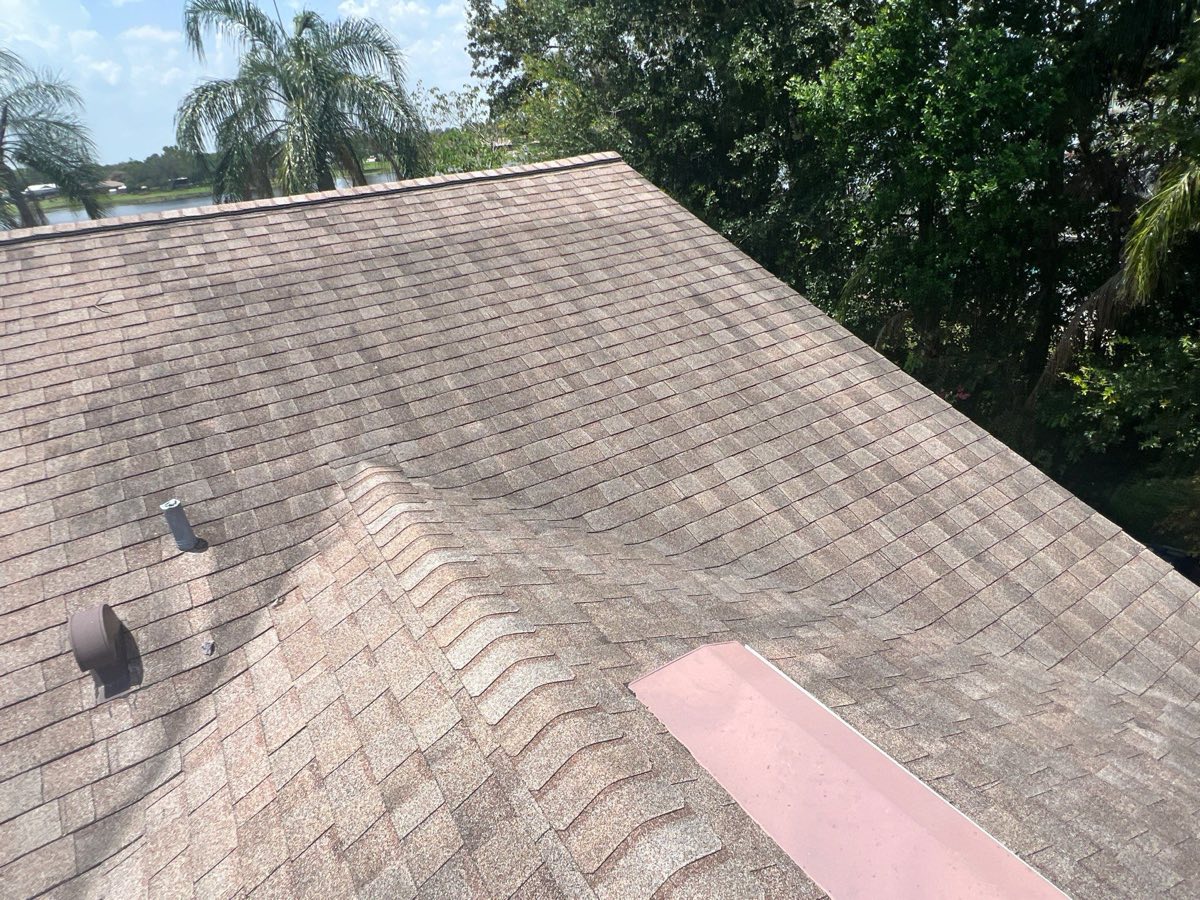
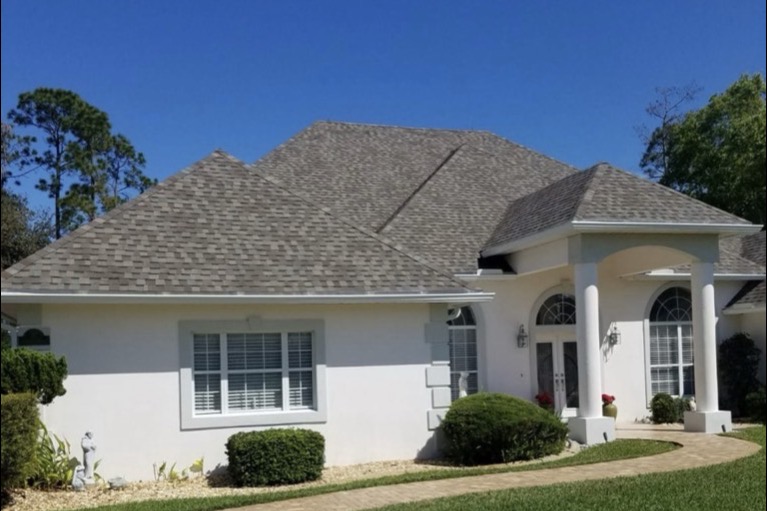
Across Florida, a growing number of homeowners are opening their mail to find a letter from their insurance company that boils down to one message: replace your roof, or lose your coverage. It's happening in neighborhoods where the roofs look completely fine from the street — no leaks, no missing shingles, no storm damage. Just age.
If you haven't received a letter like this yet, there's a good chance you will. And the homeowners who fare best are the ones who understand the rules and start planning before the notice arrives — not after.
Why This Is Happening Now
Florida's property insurance market has spent the last several years in crisis. Rising claims, widespread litigation, and multiple insurers leaving the state altogether pushed carriers toward much stricter underwriting. Roof age became one of the easiest, most consistent risk factors for insurers to act on — and many have.
The result: non-renewal notices tied to roof age have become common even for roofs with no active problems. In Central Florida, roof-related non-renewals reportedly rose by roughly 25% in a single year, largely on homes with no leaks or visible failures. Citizens Property Insurance alone shed roughly 90,000 policies in the Tampa Bay area in the year to mid-2025 — and roughly 150,000 in the year to early 2026 — and while not every one of those was roof-related, aging roofs were a major factor across the wave of exits from Florida's insurer of last resort.
Many carriers have also adopted underwriting cutoffs well below the "official" number people usually hear about, in some cases declining to write new policies on roofs older than 10–12 years, regardless of actual condition.
What Florida Law Actually Says
There's a lot of misinformation floating around about roofs and insurance in Florida — including the myth that the state requires a roof to be torn off and replaced every 15 years. That's not true. Here's what the law actually says:
- Under 15 years old: your roof age can't be used against you. Florida Statute 627.7011(5), enacted through Senate Bill 2-D during a 2022 special legislative session, prohibits an insurer from refusing to write or renew a homeowners policy solely because a roof is less than 15 years old.
- 15 years or older: insurers can require an inspection — but a sound roof still has to be covered. Once a roof crosses the 15-year mark, an insurer is allowed to require a professional inspection (at your expense) before renewing coverage. But if that inspection documents at least 5 years of remaining useful life, the insurer is required to continue coverage. Age alone, without a failing inspection, is not legal grounds to drop you.
- Getting that inspection got easier in 2024. House Bill 1611 expanded who is authorized to perform this inspection to include licensed roofing contractors, in addition to home inspectors, engineers, and architects. That means homeowners no longer have to hunt down a structural engineer just to document their roof's condition.
- The old "25% rule" is gone. Separately, Senate Bill 4-D eliminated Florida's previous rule that required a full roof replacement any time storm repairs affected more than 25% of the roof. Under current law, if the existing roof meets the 2007 Florida Building Code or later, insurers generally only have to pay for repairs to the damaged sections rather than the entire roof.
- The catch: age isn't the only trigger. Even a roof under 15 years old isn't automatically protected if an inspector documents active leaks, significant granule loss, curling or lifting shingles, heavy moss or algae holding moisture, or damaged flashing. Insurers can act on documented condition problems regardless of age.
The Part Most Homeowners Don't Realize Until It's Too Late
The statute is genuinely one of the stronger consumer protections in any state's insurance code — but it only helps you if you use it before your coverage is on the line. A few realities catch homeowners off guard:
- Notices often arrive with a tight window. Homeowners frequently report getting non-renewal notices just months before their policy expires, leaving a narrow window to get an inspection done, find a contractor, and either document remaining useful life or complete a replacement.
- A lot of homeowners don't know their roof's real age. Roof age is measured from the date the roofing was last permitted and installed to code — not from memory or a guess. Many homeowners have never pulled the permit history on their own home.
- Waiting can mean a worse financial outcome even if you keep coverage. Insurers can shift an aging roof from Replacement Cost Value (RCV) to Actual Cash Value (ACV) coverage, meaning a future claim pays out based on the roof's depreciated value — not the cost to replace it.
- A rushed decision is an expensive decision. When a homeowner is staring down a 30-, 60-, or 90-day deadline to keep their coverage, there usually isn't time to get multiple quotes, vet a contractor's licensing and reviews, or make a considered decision about materials. That's exactly the environment where storm-chasing crews and lower-quality installs thrive — and where homeowners end up with a rushed roof that causes new problems down the line.
Don't Let a Letter Make the Decision for You
The homeowners who come out ahead in this situation are the ones who get ahead of it. If your roof is approaching the 15-year mark — or you're simply not sure how old it is or what condition it's really in — the smart move is to have it inspected now, on your own timeline, with a licensed contractor you've had the chance to vet properly.
That gives you options most people don't have once the notice is already in hand:
- Time to compare contractors, materials, and pricing instead of taking whoever can start fastest
- The ability to document remaining useful life and potentially avoid an unnecessary replacement altogether
- Time to explore roofing materials — like metal — that can extend your roof's lifespan well past the 15-year threshold and reduce how often you have to go through this again
- The chance to plan the cost around your schedule instead of an insurance deadline
A roof inspection today costs a fraction of what a rushed, forced replacement costs later — in money, in stress, and in the risk of ending up with a roofer who won't be around if something goes wrong.
Already Holding a Notice?
If the letter is already in your hand, don't panic and don't sign with the first crew that knocks. Get the roof inspected and documented, find out whether it has 5 or more years of useful life, and know that a claim and a non-renewal are two different processes — our guide to navigating a roofing insurance claim covers the claim side if storm damage is also in play.
Redefine Roofing inspects and replaces roofs across Hillsborough, Pinellas, Pasco, Manatee, Sarasota, and Hernando Counties. If you're unsure how old your roof is or whether it would pass an insurance inspection, get it checked now — before a letter forces the timeline for you.
Call (813) 590-9050 or request your free, no-pressure estimate online today.
This article is general information, not legal or insurance advice. Florida statutes are summarized as of September 2026 and can change; individual carriers set their own underwriting rules within the law. Confirm your specific situation with your insurance agent, and consult an attorney for legal questions about a non-renewal.