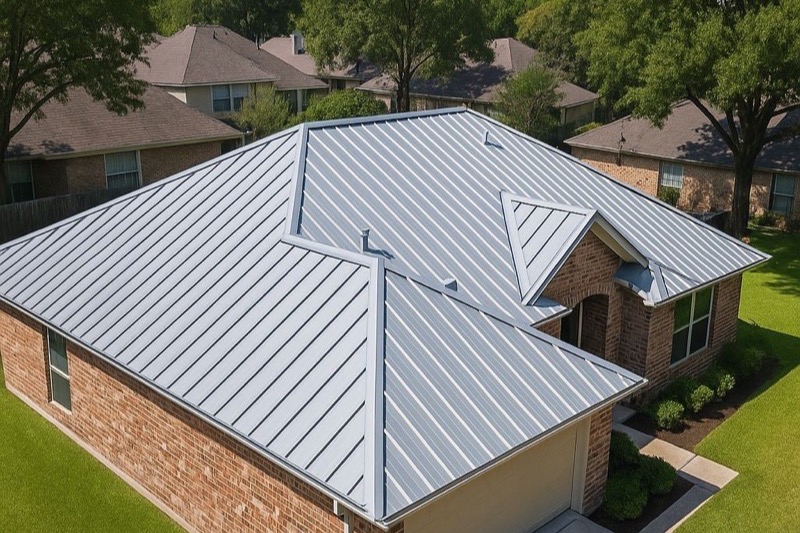
If you own a home in Florida, your roof does more work than almost anywhere else in the country. It fights off summer downpours, blistering UV exposure, salt air along the coasts, and — every hurricane season — winds that can tear lesser materials apart. That's why metal roofing has gone from a niche, industrial-looking option to one of the most popular upgrades among Florida homeowners. Here's why it might be worth considering for your home.
1. Unmatched Hurricane and Wind Resistance
This is the number one reason Florida homeowners choose metal. Standing seam metal roofing systems can be engineered to withstand winds in the 160–180 mph range, putting them well into Category 4–5 hurricane territory. Many products carry a Miami-Dade Notice of Acceptance (NOA), the strictest wind-resistance certification in the country, or FM approval.
Compare that to standard asphalt shingles, which are typically rated between 110 and 130 mph — enough to meet Florida's building code minimums, but not much of a buffer once gusts start climbing during a major storm. Because metal panels are interlocked and mechanically fastened rather than laid in overlapping pieces, they resist uplift and keep wind-driven rain from finding its way underneath.
2. Real Savings on Homeowners Insurance
Florida insurance premiums are notoriously high, and your roof material is one of the biggest factors carriers weigh. A metal roof that qualifies through a wind mitigation inspection can lower your windstorm premium meaningfully — homeowners commonly report double-digit percentage discounts, and in some cases considerably more, depending on the carrier and how well the roof scores across categories like deck attachment, roof-to-wall connections, and secondary water barriers.
The exact number varies a lot by insurer, so it's worth getting a wind mitigation inspection (Florida's OIR-B1-1802 form) done after installation and asking your agent directly what discount you qualify for. But it's rare to install a code-compliant metal roof and see zero benefit on your policy. If you're already dealing with a carrier over storm damage, our guide to navigating a roofing insurance claim walks through that process step by step.
3. It Lasts Two to Three Times Longer
Asphalt shingles in Florida's harsh climate typically last 15–25 years before needing replacement. A properly installed and maintained metal roof can last 40–70 years. Over the lifetime of a home, that can mean never having to re-roof again — a huge difference when you factor in the cost, hassle, and disruption of a full roof replacement.
4. Lower Cooling Bills
Florida's sun doesn't let up, and roofs absorb a lot of that heat. Metal roofing with a reflective factory finish bounces solar heat away instead of soaking it in, which can meaningfully reduce attic temperatures and ease the load on your air conditioner. Many homeowners see cooling cost reductions in the range of 20–30% compared to a dark asphalt roof, though actual savings depend on insulation, attic ventilation, and the specific coating used.
5. Lightweight and Structurally Friendly
Despite looking heavy-duty, metal roofing panels are actually quite light — often just 50 to 150 pounds per "square" (100 square feet), compared to much heavier tile options. That means most homes don't need any structural reinforcement to support a metal roof, which keeps installation simpler and less expensive than switching to tile.
6. Built for Coastal Conditions
Salt air is brutal on building materials, but aluminum and properly coated steel (like Galvalume) are engineered to resist corrosion for decades, making metal a strong choice for coastal and island properties where humidity and salt spray are constant — a real consideration across Pinellas, Manatee, and Sarasota counties.
7. Fire Resistance and Low Maintenance
Metal is noncombustible, which reduces fire risk compared to some other roofing materials. It also doesn't crack, curl, or grow moss and algae the way shingles can in Florida's humidity. Beyond periodic inspections and keeping debris and fasteners in check, metal roofs require very little ongoing maintenance.
8. Eco-Friendly, and It Comes in More Styles Than You'd Think
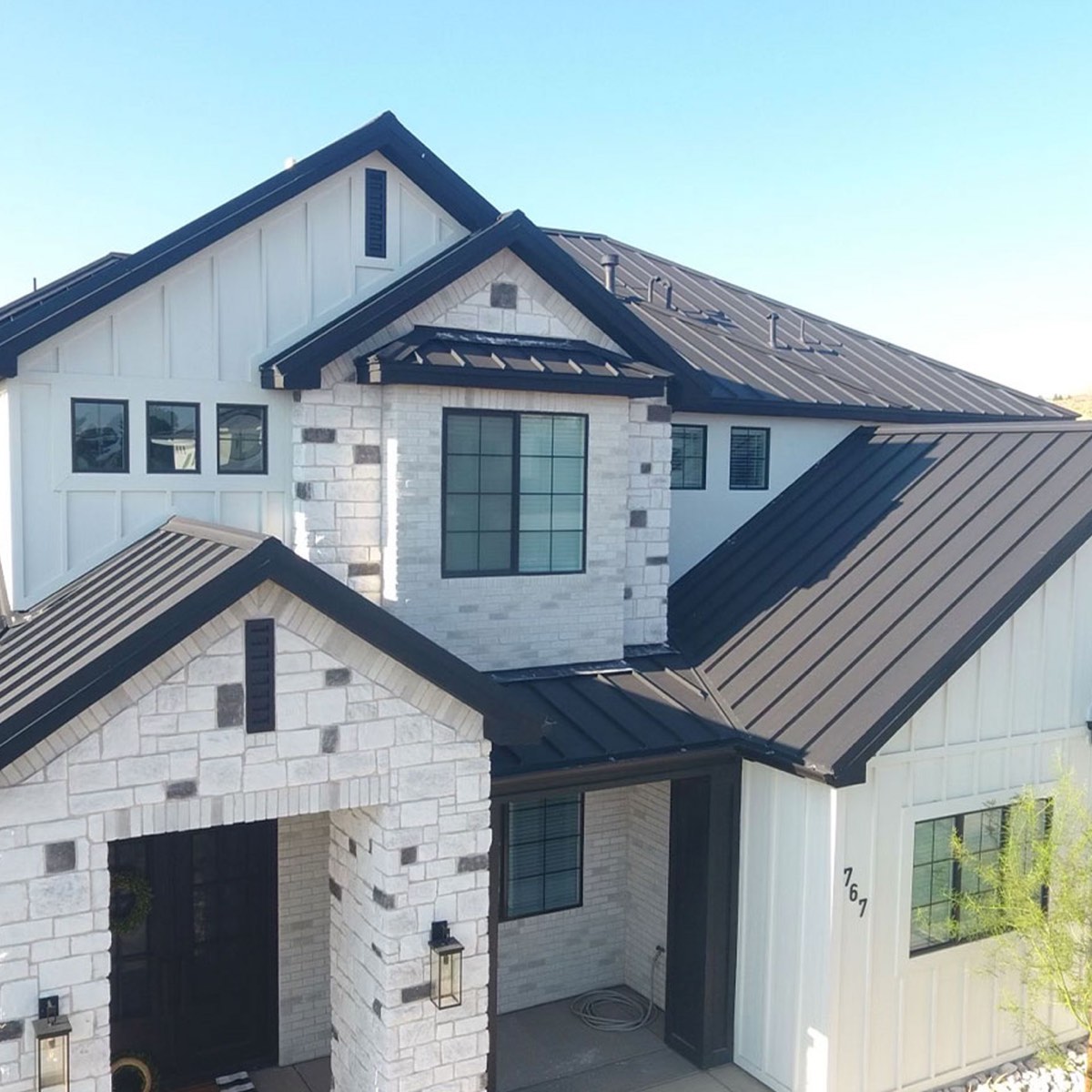
Modern metal roofing is often made from a high percentage of recycled material and is fully recyclable at the end of its life. It also no longer looks purely industrial — today's products come in standing seam, shingle-look, tile-look, and slate-look profiles, so you can get the hurricane and energy performance of metal without sacrificing curb appeal.
Is Metal Roofing Right for You?
Metal roofing typically costs more upfront than asphalt shingles — often two to three times as much. But when you factor in a lifespan that can be two to three times longer, lower insurance premiums, reduced cooling costs, and far less maintenance, many Florida homeowners find the long-term value outweighs the initial investment — especially if they plan to stay in their home for years to come.
If you're weighing the decision, a good next step is to get quotes from a licensed Florida roofing contractor and ask specifically about wind mitigation documentation — that's what unlocks the insurance savings that make metal roofing such a compelling choice in hurricane country.
This post is for general informational purposes. Wind ratings, insurance discounts, and energy savings vary by product, installer, and insurance carrier — always confirm specifics with a licensed contractor and your insurance agent.