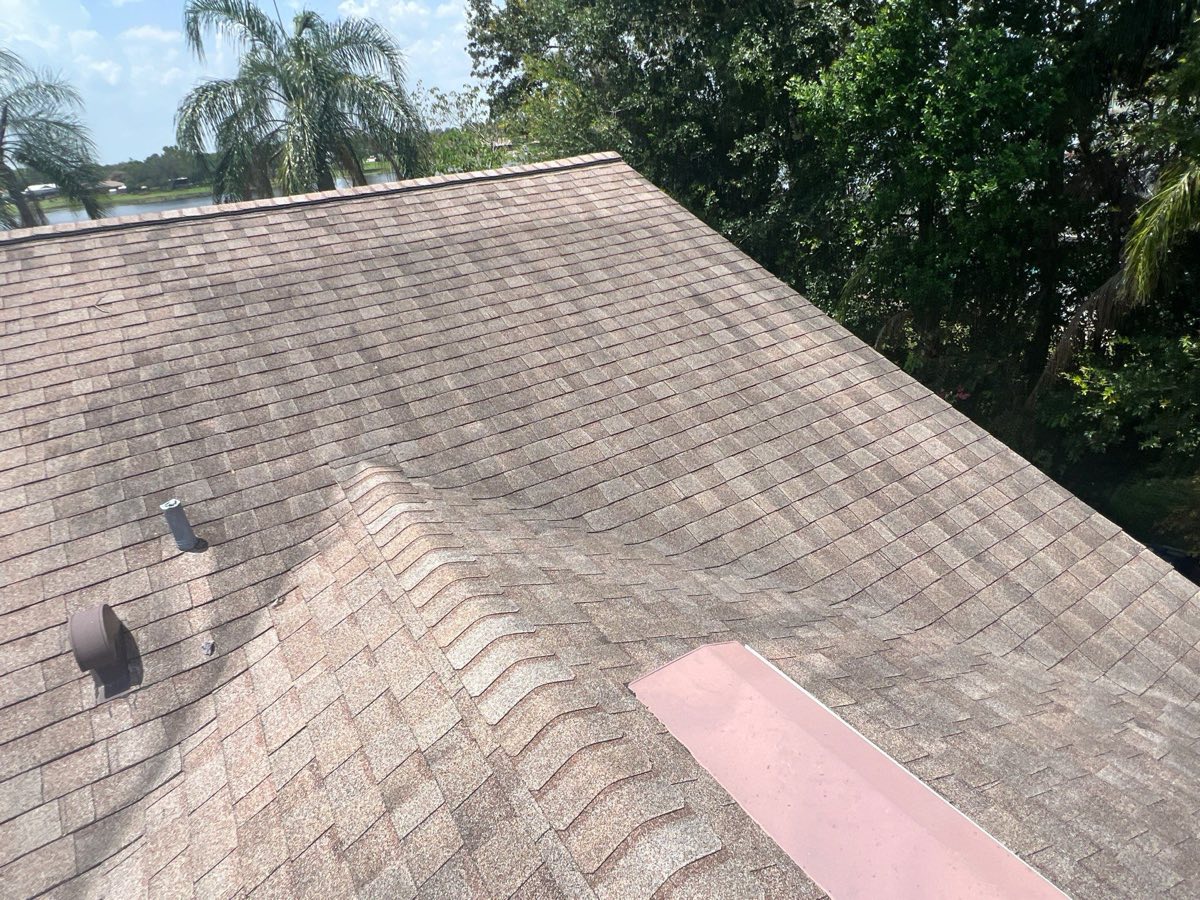
Your roof is easy to forget about — until it isn't. Most homeowners don't think about their roof until there's a stain on the ceiling or a neighbor mentions storm damage down the street. But by the time a leak shows up inside your home, the roof itself has often been struggling for months or years.
If you live in the Tampa Bay area, your roof deals with more than the average home: intense UV exposure, high humidity, heavy summer downpours, and the occasional direct hit from a tropical storm or hurricane. That combination ages a roof faster than in most other parts of the country. Here's how to tell if yours is nearing the end of its life — and what to do next.
1. Your Roof Is 20+ Years Old (or 15+ for Certain Materials)
Most asphalt shingle roofs are built to last 20-25 years under ideal conditions. But "ideal conditions" rarely describe Florida weather. Between intense sun and frequent storms, many roofs in our service area start showing real wear closer to the 15-20 year mark.
If you don't know your roof's age, check your closing documents from when you bought the home, or ask your insurance company — roof age is one of the first things they ask about for coverage.
2. Shingles Are Curling, Cracking, or Missing
Walk around your house and look up. Shingles should lie flat and uniform. If you notice:
- Edges curling upward ("cupping") or downward
- Cracked or split shingles
- Bald spots where granules have worn away, exposing the black underlayer
- Missing shingles altogether after a storm
...that's a sign the shingles have lost their ability to shed water properly, even if you don't see an active leak yet.
3. Granules Are Piling Up in Your Gutters
Asphalt shingles are coated with granules that protect against UV rays. As a roof ages, those granules shed and collect in gutters and downspouts, often looking like coarse, dark sand. A little is normal after installation, but a steady, ongoing buildup usually means the shingles are past their protective lifespan.
4. Daylight Is Visible in Your Attic
This one is simple but telling. On a sunny day, go up into your attic and look at the underside of the roof deck. If you see pinpricks of daylight coming through, water can get in the same way — even if you haven't noticed a leak yet.
5. Your Energy Bills Have Crept Up
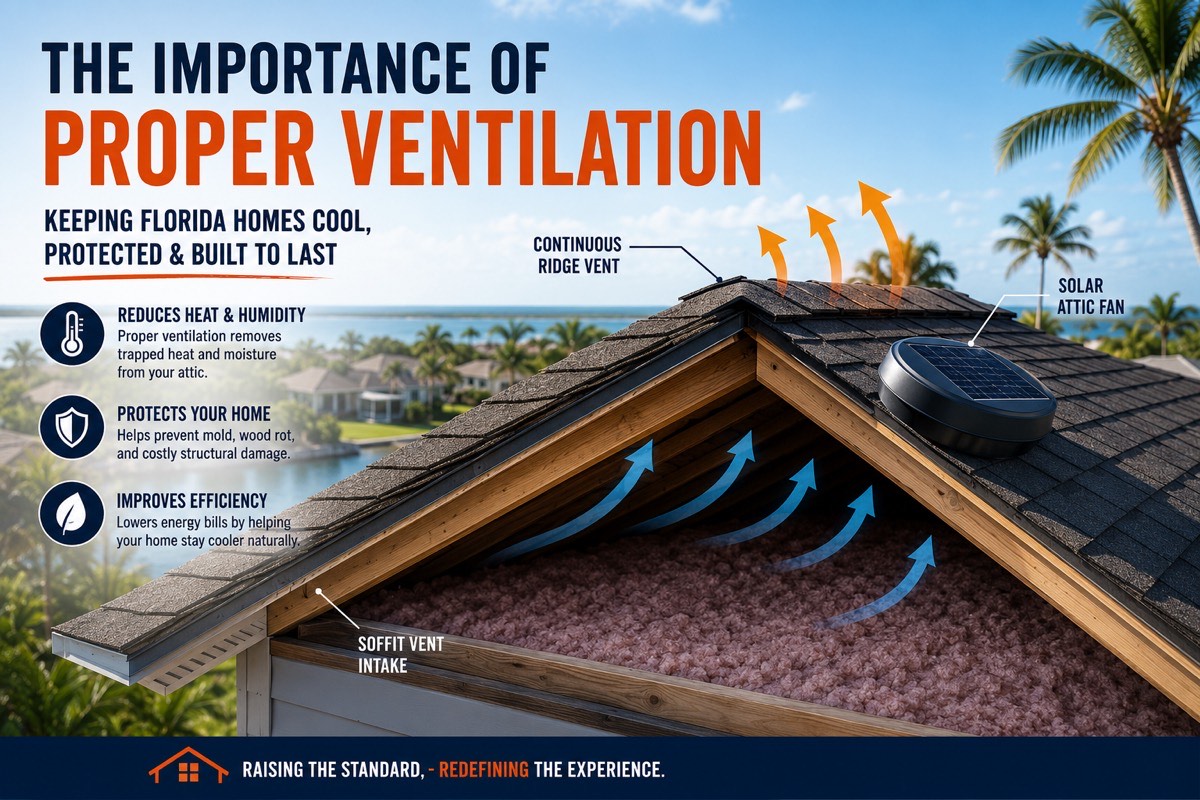
A failing roof often means failing insulation and ventilation underneath it. If your attic isn't properly sealed or ventilated anymore, your air conditioner works harder to keep the house cool — especially during a Florida summer. A sudden or gradual rise in energy bills, with no other explanation, is worth investigating alongside a roof inspection.
6. You've Had Recent Storm or Hail Damage
Even a roof that isn't old yet can be compromised by a single severe storm. Bruised or fractured shingles from hail, wind-lifted shingles, or damaged flashing around vents and chimneys can all shorten a roof's remaining lifespan significantly. If your area has had a recent hailstorm or tropical system come through, it's worth getting a professional inspection even if you don't see obvious damage from the ground.
7. Neighbors With Similar-Aged Roofs Are Replacing Theirs
This sounds anecdotal, but it's a genuinely useful signal. Homes built around the same time, in the same neighborhood, tend to have roofs installed in the same era and exposed to the same weather history. If several homes on your street are getting new roofs, it's a good moment to have yours checked too — not necessarily because it needs replacing yet, but because you'll want to know where you stand.
Repair or Replace? How to Decide
Not every one of these signs means you need a full replacement right away. A single damaged section, a small leak around a vent pipe, or isolated storm damage can often be repaired rather than replaced. Full replacement typically makes more sense when:
- The roof is nearing or past its expected lifespan
- Damage is widespread rather than isolated
- You've had multiple repairs in recent years and issues keep recurring
- An inspection reveals compromised decking or structural issues underneath
The only way to know for sure is a professional inspection — trying to diagnose a roof from the ground, or from photos, can miss underlying issues that aren't visible from outside.
Frequently Asked Questions
How long does a roof last in Florida?
Asphalt shingle roofs typically last 15-20 years in Florida, shorter than the national average due to intense UV exposure, humidity, and storm activity. Metal and tile roofs can last considerably longer, often 40-50+ years, but still benefit from periodic inspection.
Will my homeowners insurance cover a roof replacement?
It depends on the cause of damage and your policy. Storm and wind damage are commonly covered, while damage from age and general wear typically isn't. An insurance adjuster will usually want documentation of the roof's condition and the cause of damage — this is an area where working with a roofer experienced in insurance claims can make the process much smoother.
How much does a roof replacement cost?
Cost varies based on roof size, material, pitch, and the extent of any underlying repairs needed. The most reliable way to know your actual cost is a free, on-site estimate rather than a rough online calculator, since so much depends on the specifics of your roof.
Can I just repair one section instead of replacing the whole roof?
Sometimes, yes — if the damage is isolated and the rest of the roof is in good condition. A professional inspection can tell you honestly whether a repair will hold up or whether it's a short-term fix on a roof that needs full replacement soon anyway.
Not Sure Where Your Roof Stands?
If you noticed one or more of these signs while reading, it's worth getting a professional opinion before a small issue becomes a bigger, more expensive one. Redefine Roofing offers free, no-pressure roof inspections across Hillsborough, Pinellas, Pasco, Manatee, Sarasota, and Hernando Counties. We'll give you a straightforward answer on whether you need a repair, a replacement, or nothing at all right now — and a detailed, honest quote if you do.
Call (813) 590-9050 or request your free inspection online today.